
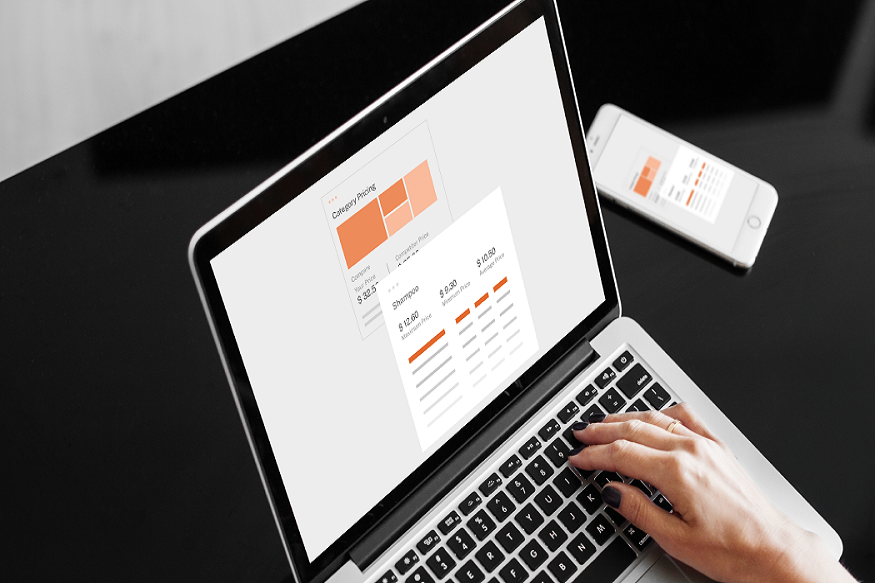
Competitive price monitoring has become an essential practice for businesses operating in fast-moving and highly competitive markets. As customers gain instant access to price comparisons across platforms, brands can no longer afford to price blindly. Monitoring competitor pricing in real time allows businesses to stay relevant, protect profit margins, and respond quickly to market changes without sacrificing value or positioning.
In today’s digital economy, pricing is no longer a static decision. It is a dynamic strategy that requires continuous analysis, accurate data, and informed adjustments.
What Is Competitive Price Monitoring
Competitive price monitoring is the process of tracking and analyzing the pricing strategies of competitors across multiple sales channels. This includes monitoring product prices, discounts, promotional offers, shipping costs, and price fluctuations over time.
The goal is not simply to match competitor prices, but to understand pricing trends, market behavior, and customer expectations. When used strategically, price monitoring supports smarter pricing decisions that align with business goals.
Why Competitive Price Monitoring Matters
Pricing directly impacts sales volume, brand perception, and profitability. Without visibility into competitor pricing, businesses risk being overpriced, underpriced, or out of sync with market demand.
Competitive price monitoring helps businesses:
- Stay competitive in crowded markets
- Avoid unnecessary price wars
- Identify pricing gaps and opportunities
- Respond quickly to competitor promotions
- Protect brand value while maximizing revenue
In industries such as ecommerce, retail, SaaS, travel, and B2B services, even small price differences can influence buying decisions.
Key Benefits of Competitive Price Monitoring
Improved Pricing Accuracy
With access to real-time competitor data, businesses can set prices based on actual market conditions rather than assumptions. This leads to more precise and confident pricing strategies.
Increased Revenue and Profit Margins
Price monitoring helps identify when competitors raise prices, allowing businesses to increase their own prices strategically without losing customers. It also prevents unnecessary discounting that erodes margins.
Better Promotional Planning
Understanding competitor discount cycles enables businesses to plan promotions more effectively. Instead of reacting late, brands can time offers for maximum impact.
Enhanced Market Positioning
Pricing is closely tied to brand perception. Competitive price monitoring ensures that premium brands do not undervalue themselves and budget brands remain attractive to price-sensitive customers.
Competitive Price Monitoring vs Price Matching
Many businesses confuse competitive price monitoring with price matching, but they are not the same.
Price monitoring focuses on intelligence and analysis.
Price matching focuses on reacting to competitors.
A strong price monitoring strategy allows businesses to decide when to match, beat, or ignore competitor prices based on long-term objectives rather than short-term pressure.
How Competitive Price Monitoring Works
The process typically includes:
Identifying key competitors and products
Collecting pricing data across channels
Analyzing trends and price movements
Setting pricing rules and thresholds
Adjusting prices based on insights
Modern businesses rely on automated tools to track thousands of SKUs across websites, marketplaces, and regions. Manual tracking is no longer scalable or accurate.
Challenges in Competitive Price Monitoring
Despite its benefits, price monitoring comes with challenges.
Data accuracy can vary across sources
Frequent price changes require constant updates
Different product variations complicate comparisons
Competitor strategies may change rapidly
Overcoming these challenges requires reliable tools, clean data, and a clear pricing strategy that aligns with business goals.
Competitive Price Monitoring for Ecommerce Businesses
For ecommerce brands, competitive price monitoring is especially critical. Online shoppers compare prices within seconds, and marketplaces like Amazon increase price transparency.
Effective price monitoring helps ecommerce businesses:
Optimize pricing for high-volume products
Stay competitive on marketplaces
Avoid automated repricing errors
Protect Buy Box eligibility
Respond to flash sales and seasonal trends
When integrated with repricing systems, monitoring data can drive automated yet controlled pricing decisions.
Using Competitive Price Monitoring Strategically
The most successful businesses treat price monitoring as a strategic function, not a tactical task.
This means combining pricing data with:
Customer demand insights
Inventory levels
Brand positioning
Market trends
Sales performance metrics
Instead of asking “What is the lowest price?”, businesses should ask “What is the best price for our goals?”
Tools and Technology for Competitive Price Monitoring
Advanced price monitoring tools offer features such as:
Real-time competitor tracking
Historical price analysis
Alerts for price changes
Market trend visualization
Custom pricing rules
Choosing the right tool depends on business size, product complexity, and market reach. Accuracy, scalability, and automation are key factors to consider.
Best Practices for Competitive Price Monitoring
To get the most value from price monitoring efforts, businesses should:
Focus on relevant competitors only
Monitor total offer value, not just base price
Avoid constant price undercutting
Review pricing data regularly
Align pricing decisions with brand strategy
Consistency and discipline are more important than aggressive reactions.
The Future of Competitive Price Monitoring
As AI and machine learning continue to evolve, competitive price monitoring will become more predictive rather than reactive. Businesses will be able to anticipate competitor moves, forecast price trends, and personalize pricing strategies at scale.
In a market where pricing decisions can determine success or failure, competitive price monitoring is no longer optional. It is a core capability for sustainable growth.
Final Thoughts
Competitive price monitoring empowers businesses to make informed, confident, and strategic pricing decisions. By understanding competitor behavior and market dynamics, brands can stay competitive without sacrificing profitability or brand value.
When implemented correctly, price monitoring transforms pricing from a reactive task into a powerful competitive advantage.